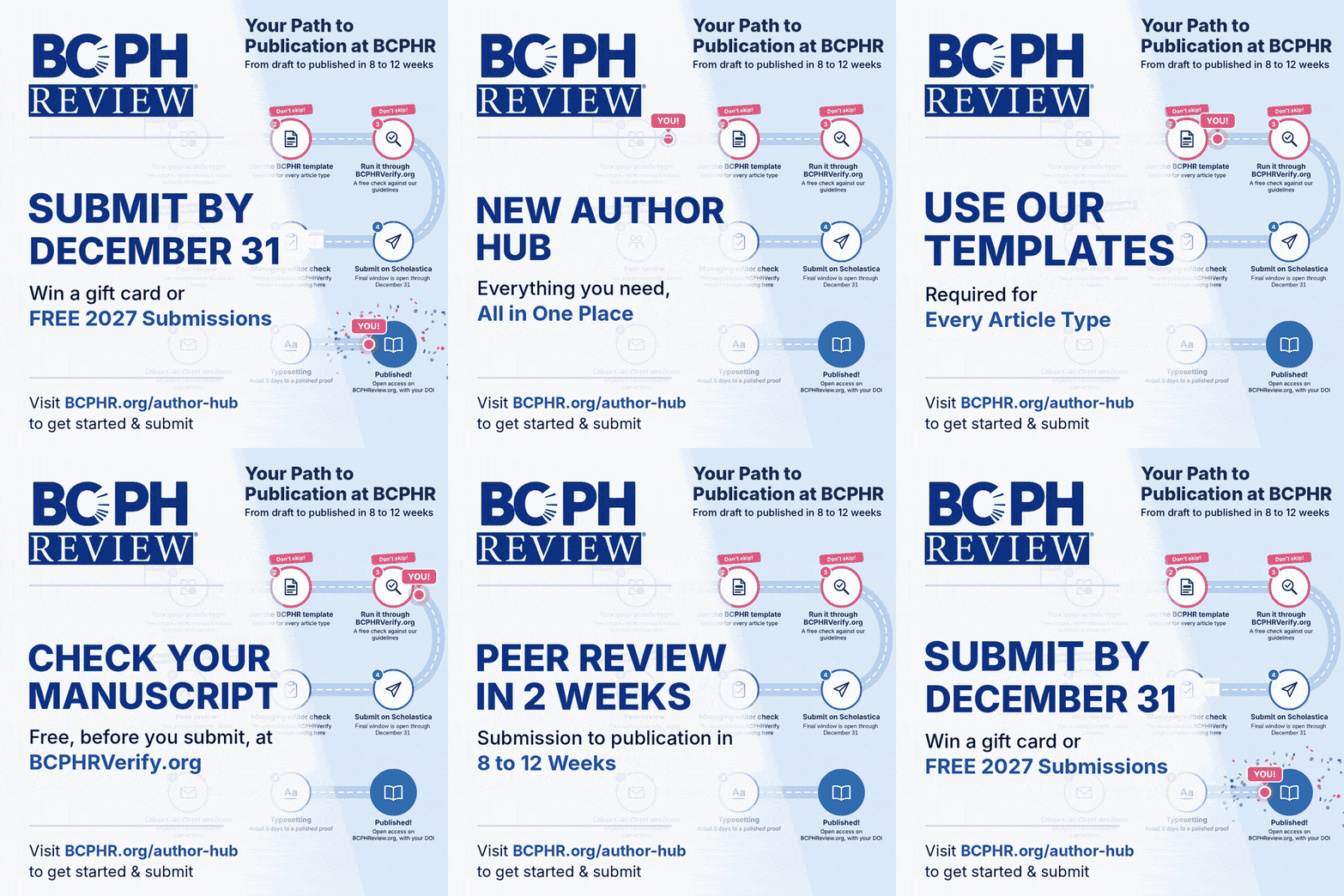

BCPHR now publishes directly from Scholastica, its manuscript portal, which makes publishing faster and PDFs easier to reach. The journal remains open access. Articles published since April 2025 are under BCPHR, 2025-Present in the menu.
Current: BCPHR Review, early 2025 to present, on BCPHReview.org
Archived: HPHR, up to 2025, in the BCPHR Archive
BCPHR is published by the Boston Congress of Public Health (BCPH), which supports emerging and established investigators producing research in many formats: online and print publications, videos, podcasts, ebooks, and more.
Questions? Email [email protected].
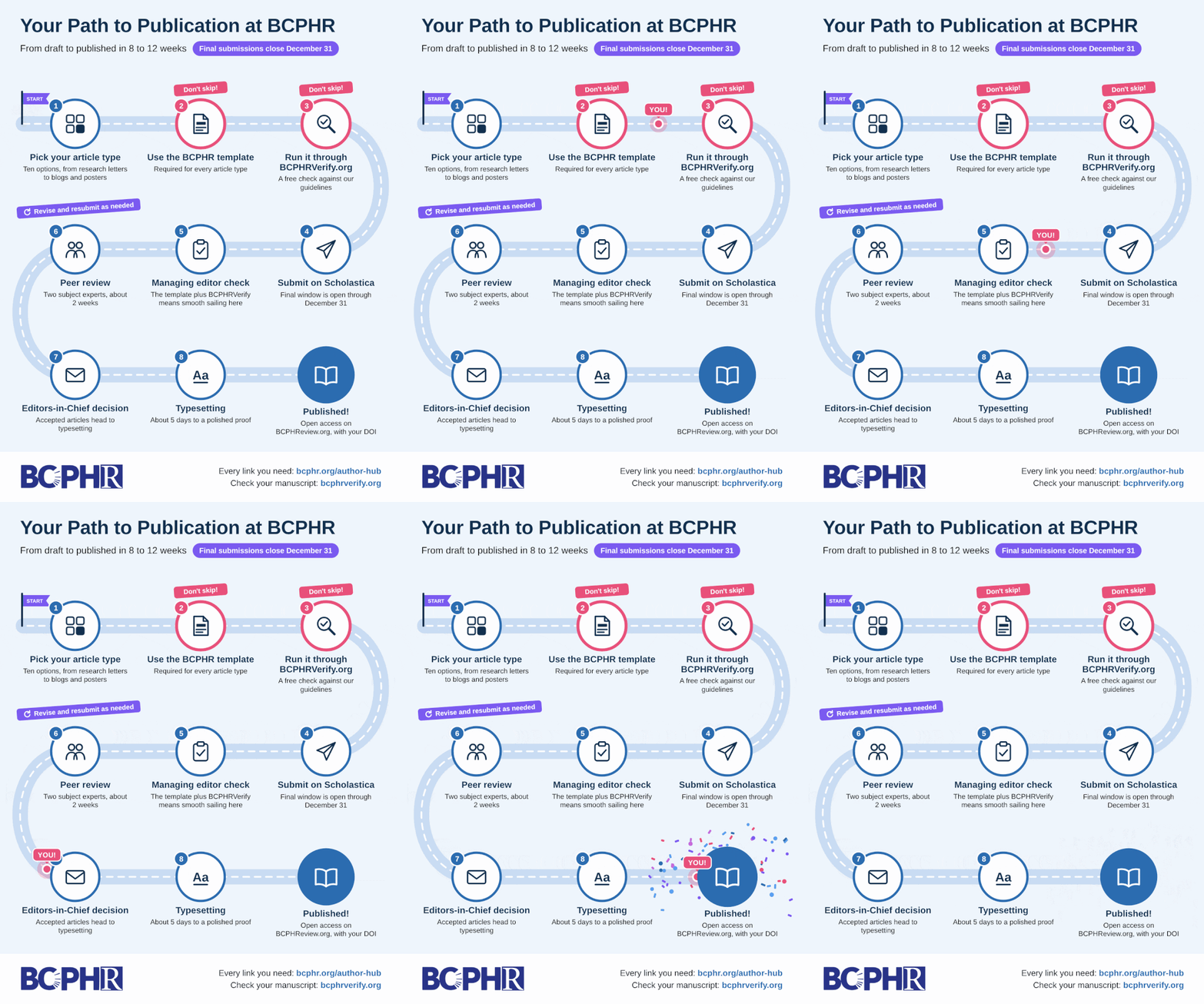
The Author Hub has everything you need before you submit: the article types BCPHR publishes, a template for each one, our formatting and citation rules, publication fees, and a checklist to run through before you upload. When your manuscript is ready, the hub takes you straight to Scholastica to submit.
Articles submitted by December 31 are also eligible for this year’s submission contest.
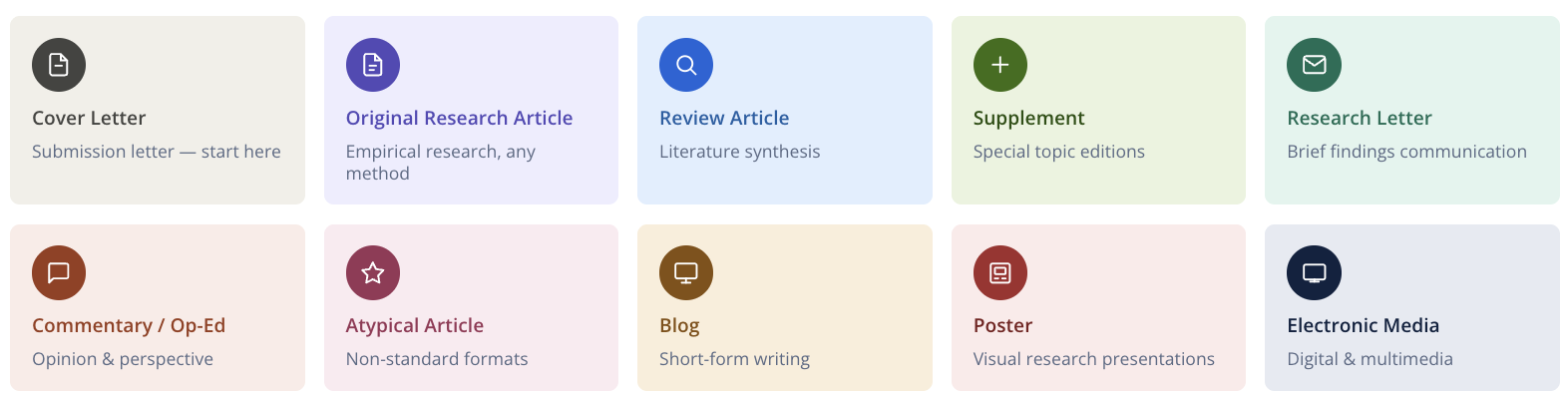
Every submission must use the BCPHR template for its article type. The required sections and formatting are already built in. Grab the cover letter and the template for your article type in Google Docs, or download a Word or PDF copy to work offline.
Most desk rejections happen because of formatting, and they’re easy to prevent. Upload your manuscript to BCPHRVerify.org, our free submission assistant. It checks your file against BCPHR guidelines and tells you exactly what to fix before you submit on Scholastica.
Everyone who submits an article during the final 2026 submission window, through December 31, 2026, will be entered to win an Amazon gift card ($25, $50, or $100) or FREE article submissions for all of 2027!
Have a question about peer review? Email [email protected] before you submit.
Editorial review and publication are contingent on acceptance and satisfaction of all editorial requirements.
Boston Congress of Public Health Review

BCPHRMental Health Inequity as a Public Health Crisis: Advancing Equity Through Community-Based Mental Health ReformJames ArthurRead the article

BCPHRUnderstanding the Dynamics Between Thai Culture and Reproductive Health Across Generations of Thai WomenOlivia French, Mai Do, Tharawan Kanokwan, Kaitlyn TangRead the article

Resilience & Healthcare AccessAre We Avoiding a Major Public Health Concern?James DavisRead the article

Resilience & Healthcare AccessGun Violence Exposure, Social Safety, and Cognitive Health Among Sexual and Gender Minority Populations in the United States: A Systematic ReviewGarima Siwach, Circe Le CompteRead the article

Resilience & Healthcare AccessWeathering the Storm: A Literature Synthesis on the Impact of Structural Racism, Anticipatory Trauma, and Socioeconomic Deprivation on Black Maternal Well-Being (2020–2025)Lucy Onyinye Efobi, Kamiliah WoodsonRead the article

Resilience & Healthcare AccessChildhood Sexual Abuse: A Narrative ReviewKruti Chaliawala, Keith King, Rebecca VidourekRead the article

Resilience & Healthcare AccessSocioeconomic and Clinical Correlates of Insurance Type and Avoidable Emergency Department Visits in New York StateNickol Georgy, Circe Le CompteRead the article

Resilience & Healthcare AccessAre We Avoiding a Major Public Health Concern?James DavisRead the article
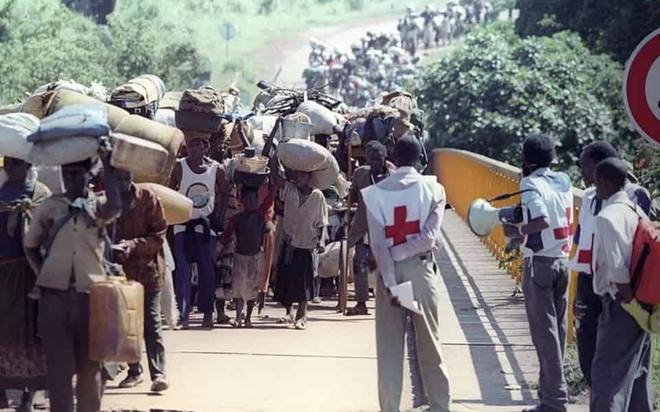
Resilience & Healthcare AccessMeaning Making and Moral Restraint: How Rwanda Redefined Humanitarian AidAlexander W MyersRead the article

Health Policy & Structural InequalityComparison of eGFR Outcomes in Black Populations Using the 2009 CKD-EPI with Race Adjustment Equation and the 2021 CKD-EPI without Race Modifier Equation: A ReviewChelsea C. GrantRead the article

Adolescent & Young Adult HealthUsing Instagram to Address Epilepsy-Related Stigma Among Youth: A Community-Based Participatory Social Media CampaignMeenal Khandaker, Paula Jurado, Madeline Niemann, Aisha Laguna Merced, +3Read the article

Global Systems & Digital InfrastructureEmbracing an environmental health approach to strengthen frontline healthcare in Southeast AsiaKeenan Duggal, Norawit Kijpaisalratana, Aaron Hultgren, Khrongwong MusikatavornRead the article

Culture, Identity, & Healthcare AccessPerspectives of rural, English and Spanish-speaking families on healthcare for alcohol use disorderJennifer Hanlon-Wilde, Yolanda Rodriguez, Linda EddyRead the article

Health Policy & Structural InequalityCentering Community Concerns and Recommendations amid Rapid Policy Changes: Impacts on Social Protection, Well-being, and Health AccessKriti VashishtRead the article
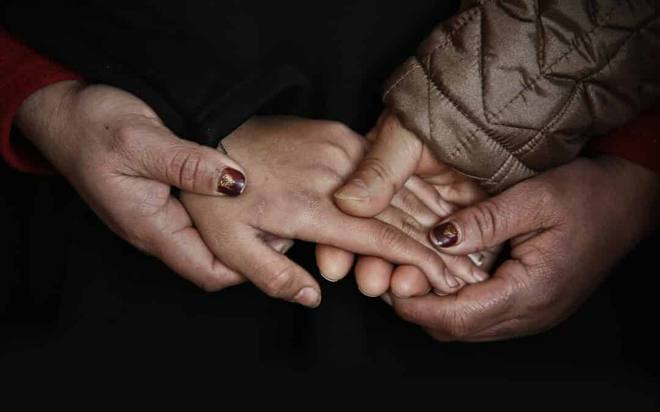
Emergency Care Use & Workforce BurnoutThe Inheritance We CarryHansini KochharRead the article

Culture, Identity, & Healthcare AccessCardiovascular Health Trajectories of Afro-Caribbean Immigrants in the United States: A Systematic Literature Review on Immigrant Advantage, Generational Change, and Structural Influences (2019-2025).Mia Moore, Kruti S. ChaliawalaRead the article
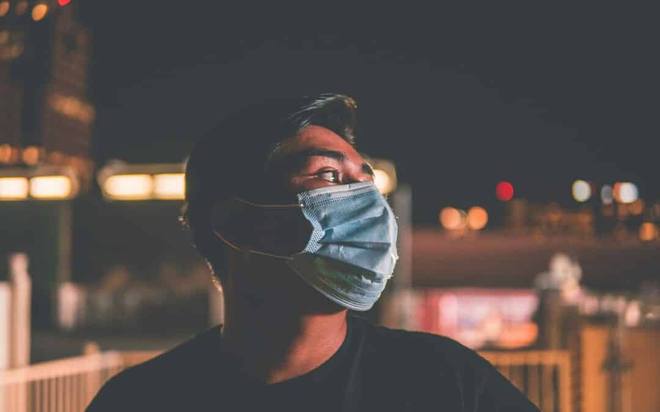
Emergency Care Use & Workforce BurnoutCode Blue: An Evidence-Based Crash Cart of Leadership Strategies for the Mitigation of Burnout Among Healthcare Workers in the Emergency RoomNicholas TremblayRead the articleThe Boston Congress of Public Health Review (BCPHR), the official academic journal of the Boston Congress of Public Health (BCPH), a 501(c)3 nonprofit organization, seeks to improve health equity and social justice globally through the publication of public health content grounded in the thoughtful evaluation of evidence.
BCPHR now publishes only on an Expedite Campaign basis as of January 2026. We are accepting publications during the following months:
Off months: March, June, July, August, and November.
We accept articles addressing public health through the lenses of justice and equity. Several topic areas of interest include:
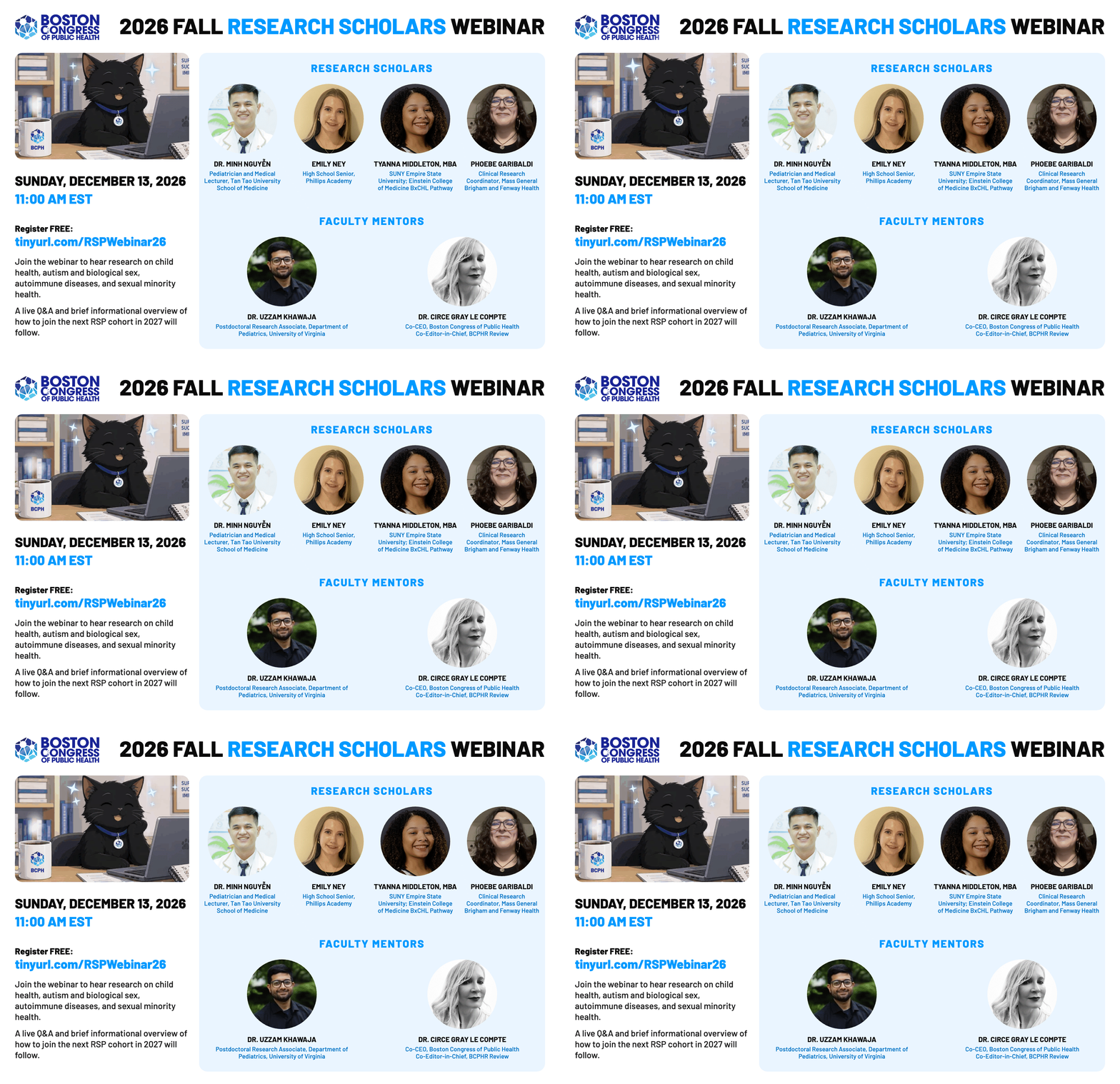
Join the free 2026 Fall Research Scholars Webinar on Sunday, December 13, 2026, at 11:00 AM EST. Research scholars Dr. Minh Nguyễn, Emily Ney, Tyanna Middleton, MBA, and Phoebe Garibaldi will present their research on child health, autism and biological sex, autoimmune diseases, and sexual minority health, with faculty mentors Dr. Uzzam Khawaja and Dr. Circe Gray Le Compte. A live Q&A and a short overview of how to join the next RSP cohort will follow.
RSP pairs undergraduates, post-baccalaureate students, medical and clinical program students, and high school students with leading faculty for one-on-one mentorship in research, writing, and publication. Many scholars go on to publish their work in BCPHR.
Applications for the Spring 2027 cohort close January 8, 2027.
Register free for the December 13 webinar or read about the Research Scholars Program.
Below are links to a sample of past participants’ articles:
Research Scholar Program
The 2027 BCPHR Editorial Fellowship is a two-month virtual fellowship for people who want to build skills in peer review and academic publishing. Applications are due Friday, January 22, 2027, 11:59 PM PST. Join the informational session on Sunday, January 10, 2027, 12:00 PM EST on Zoom.
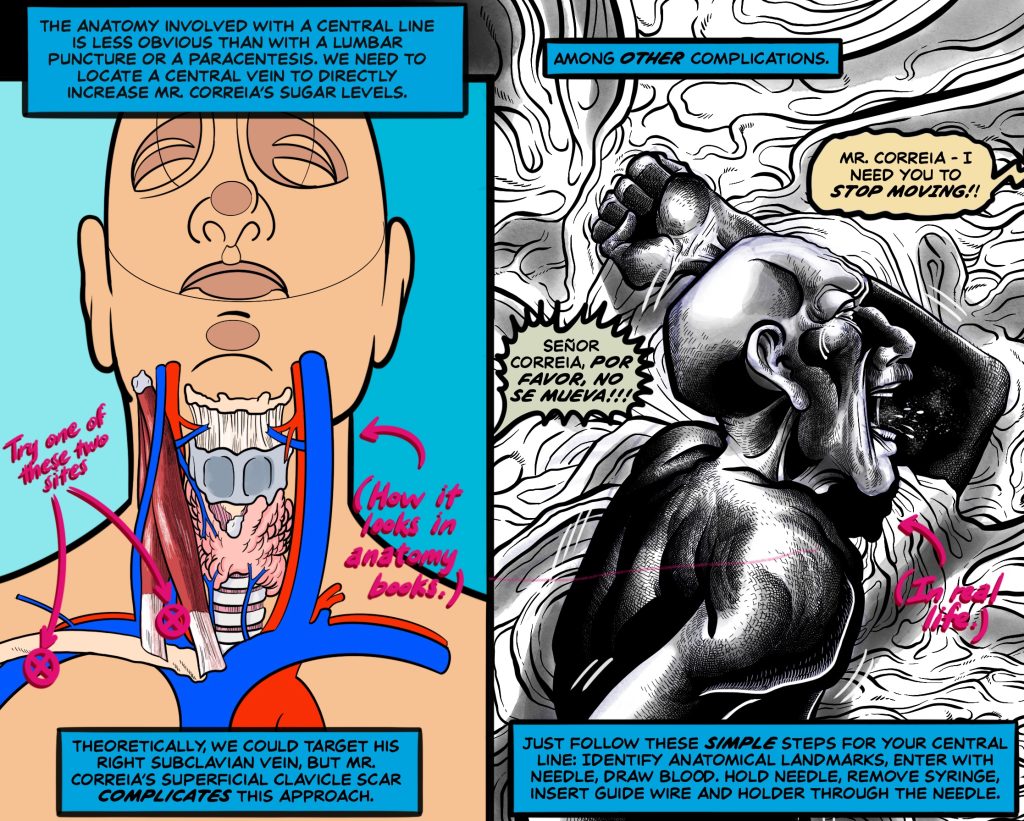
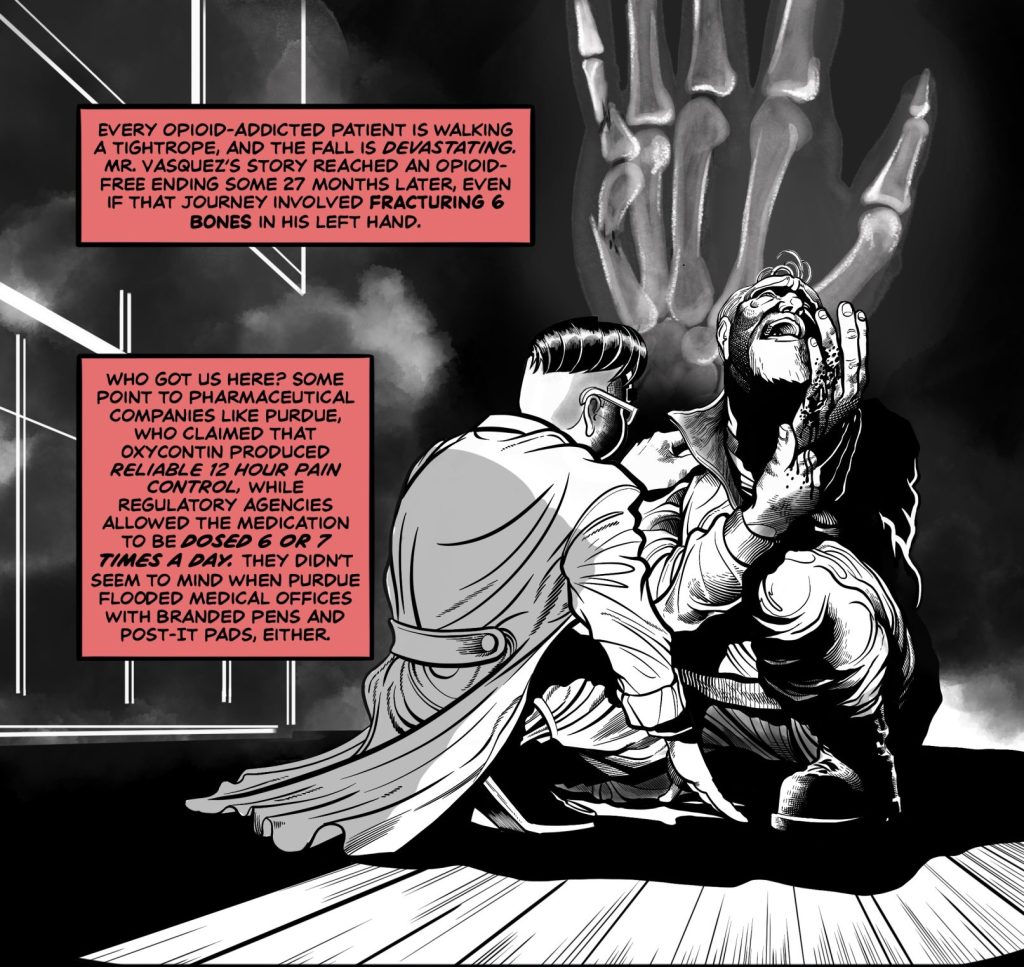
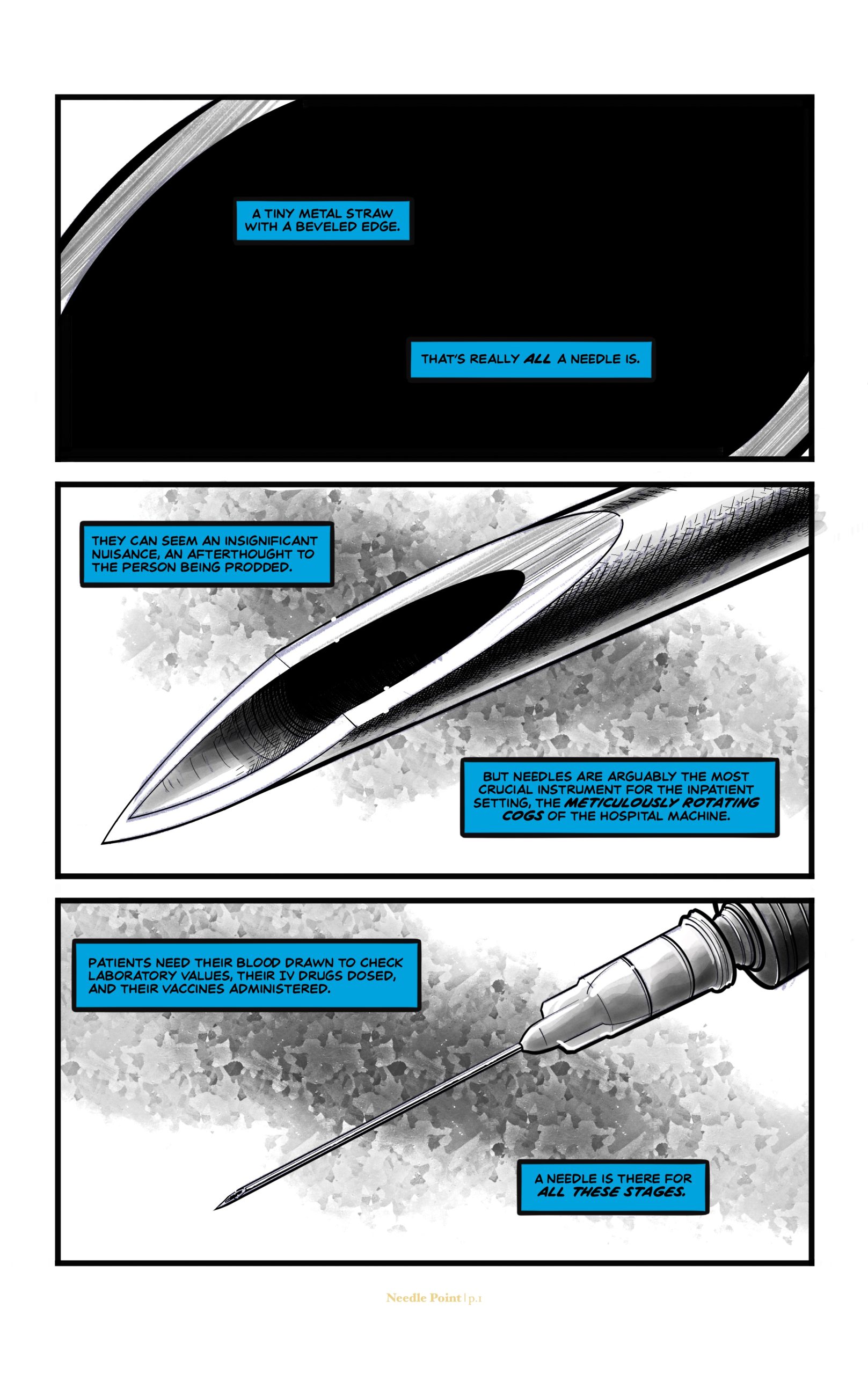
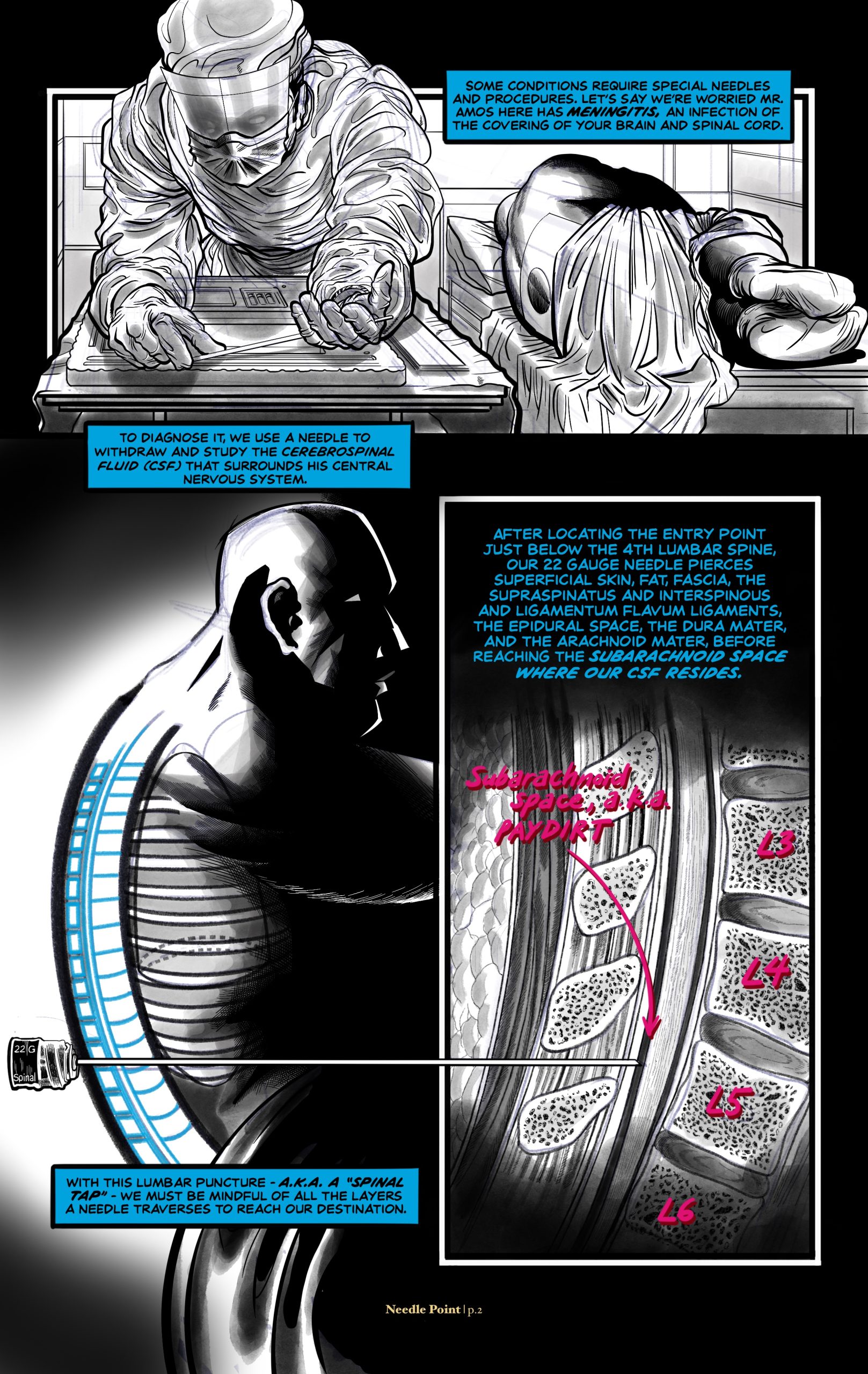
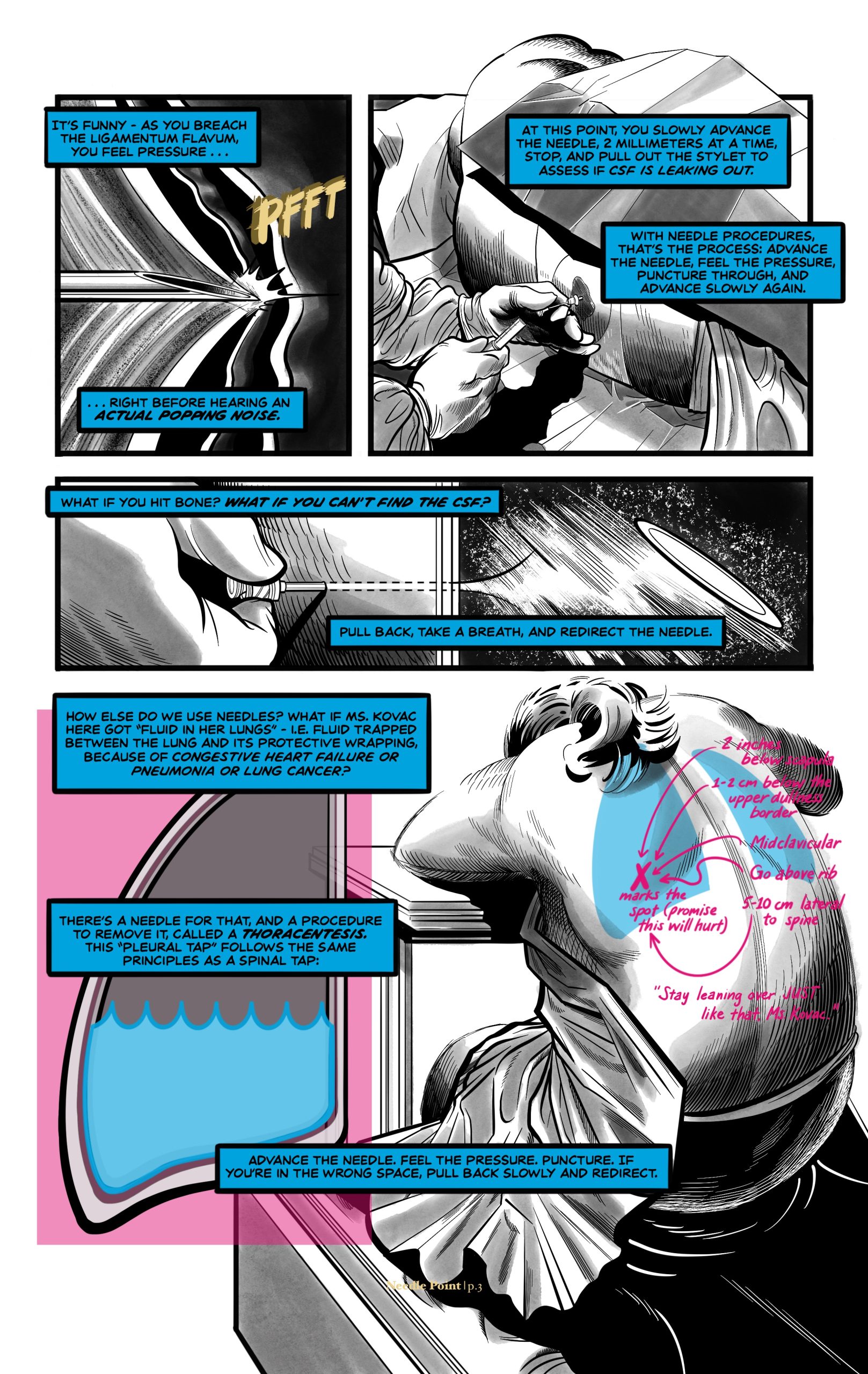
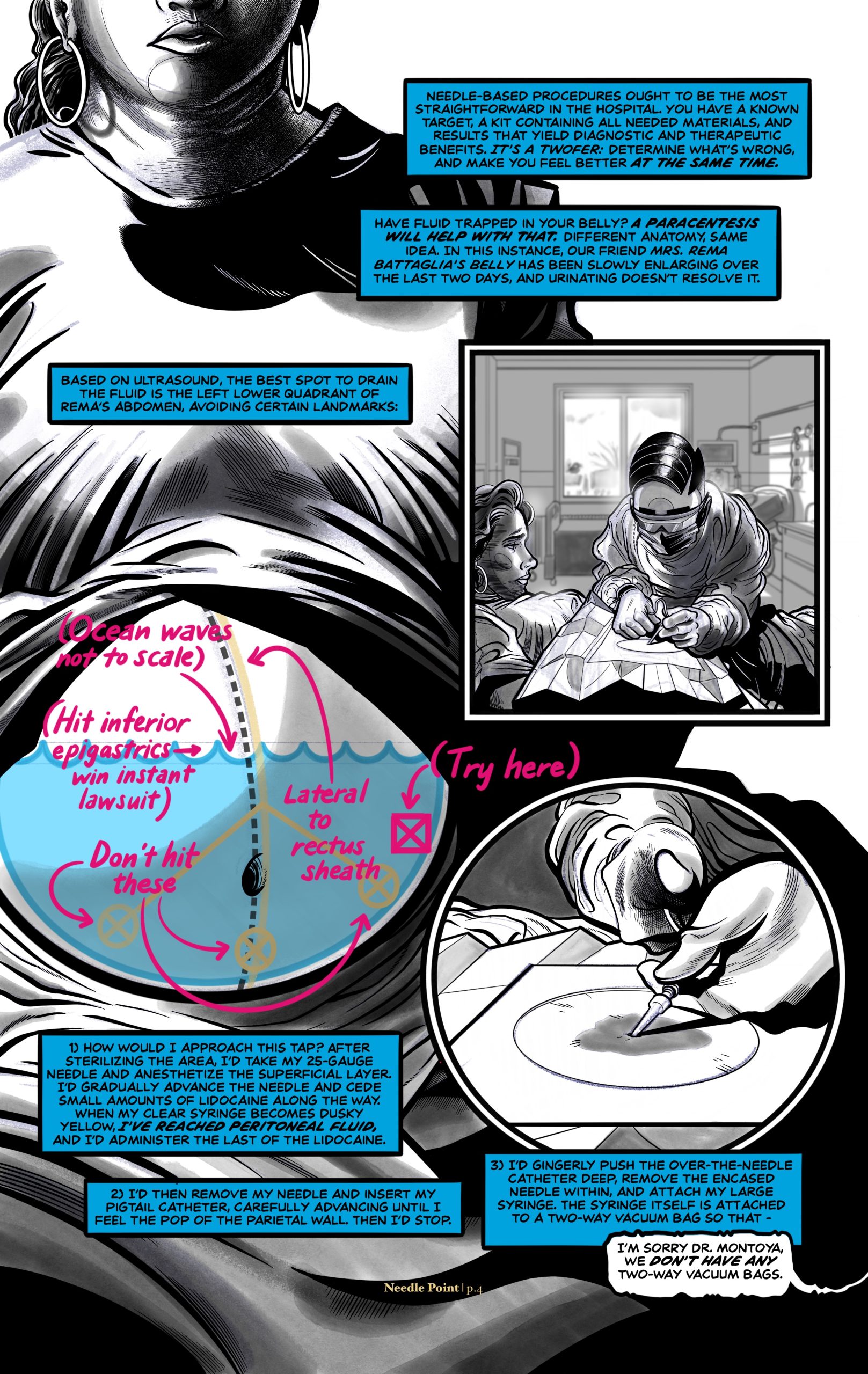
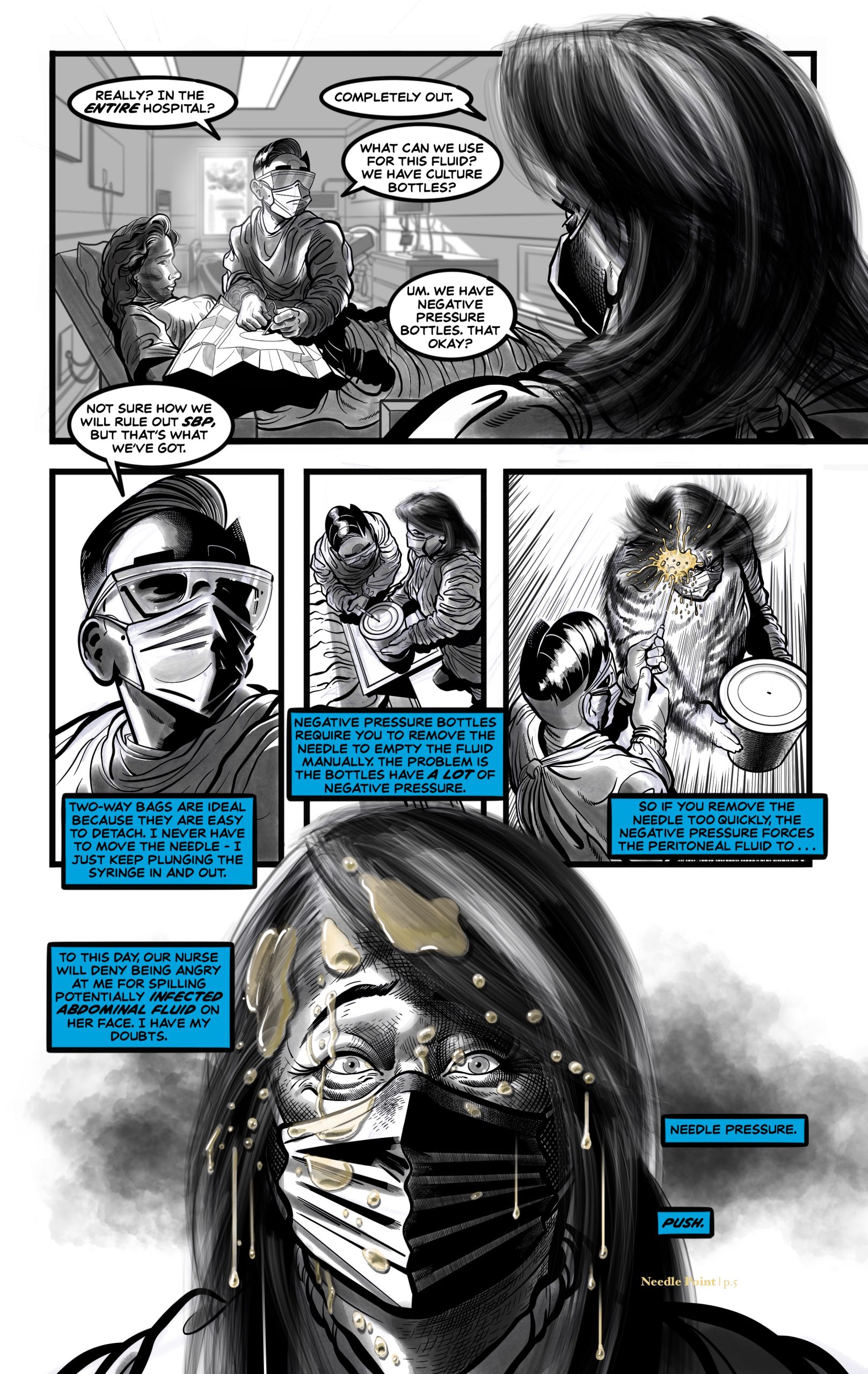
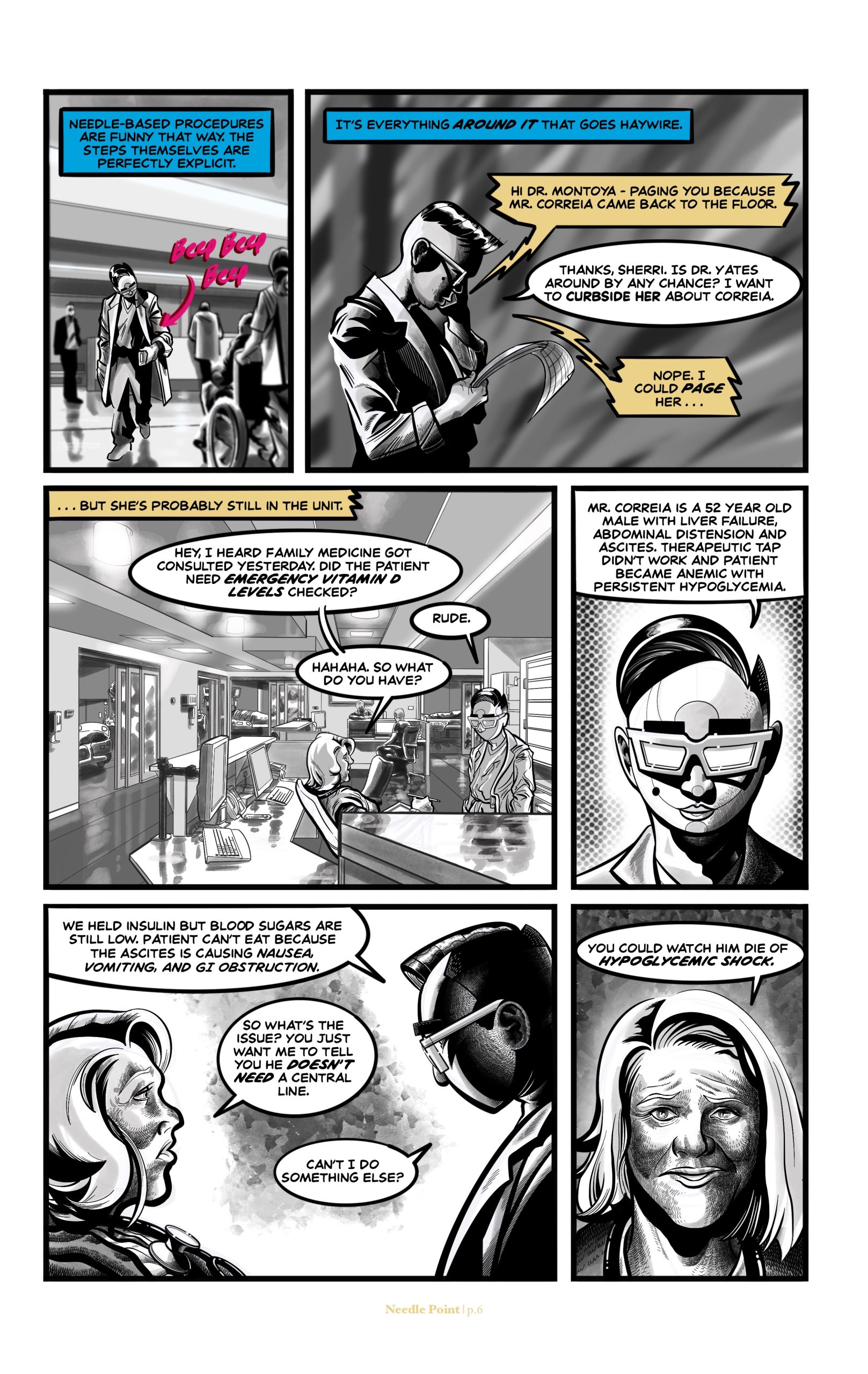
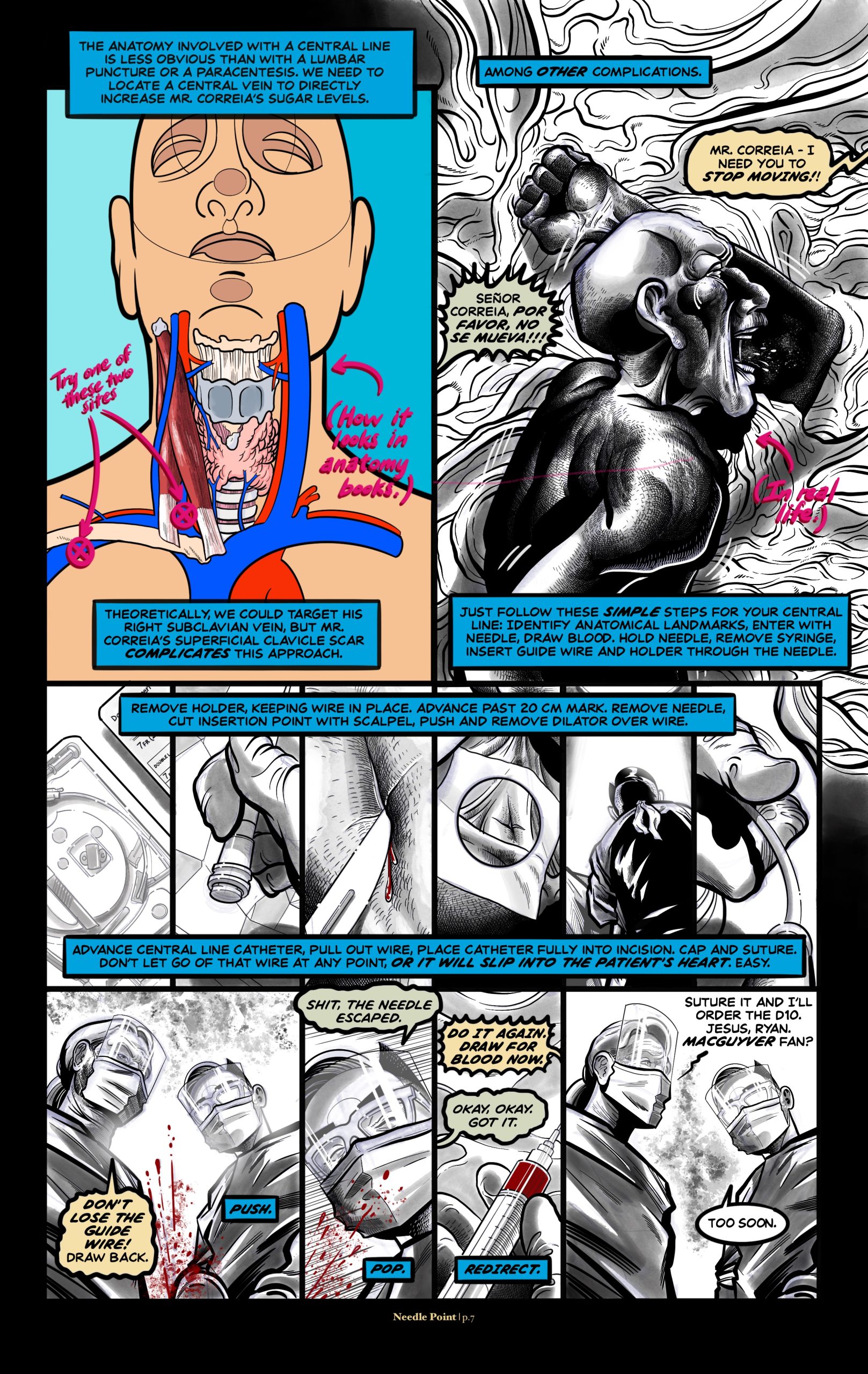
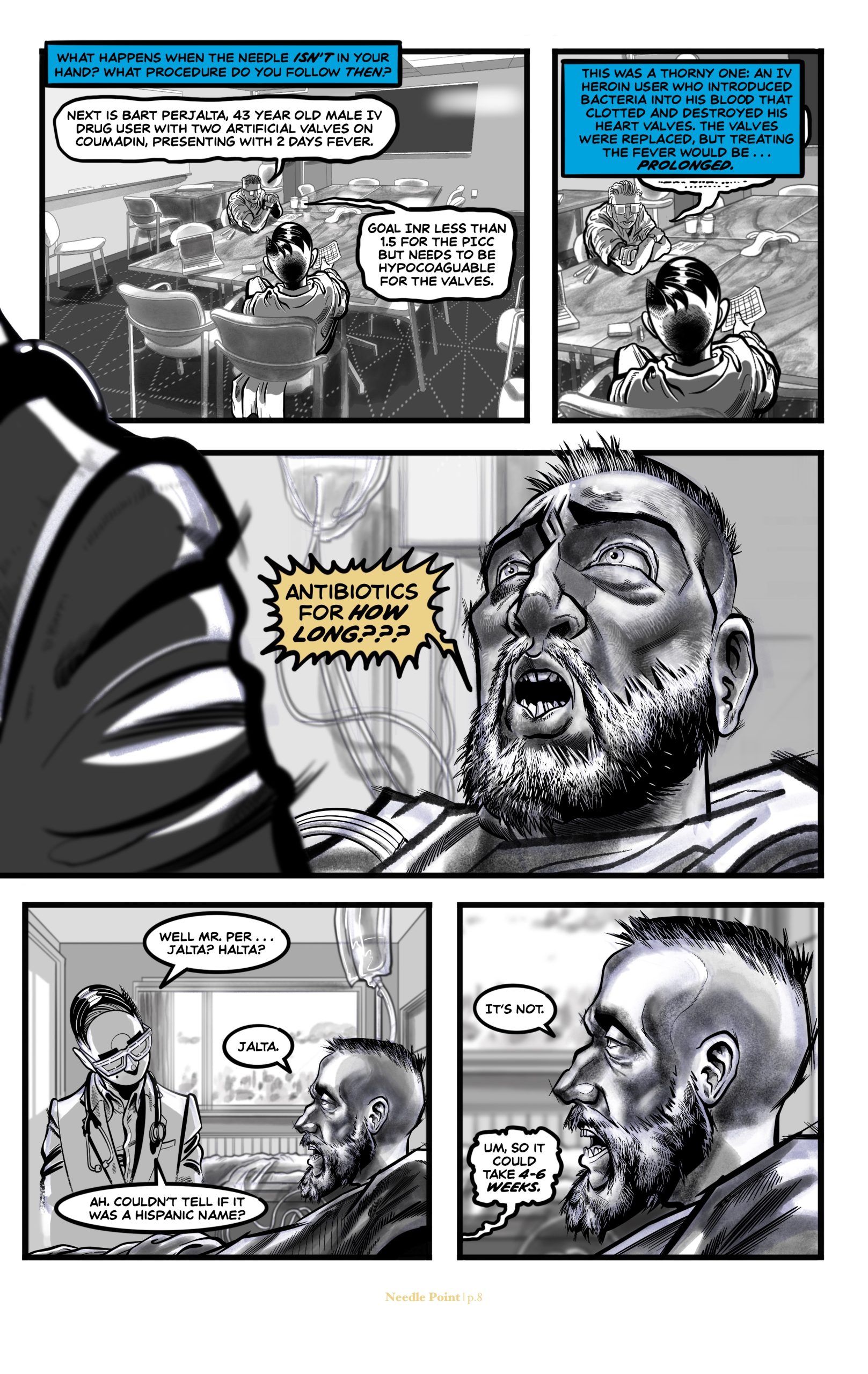
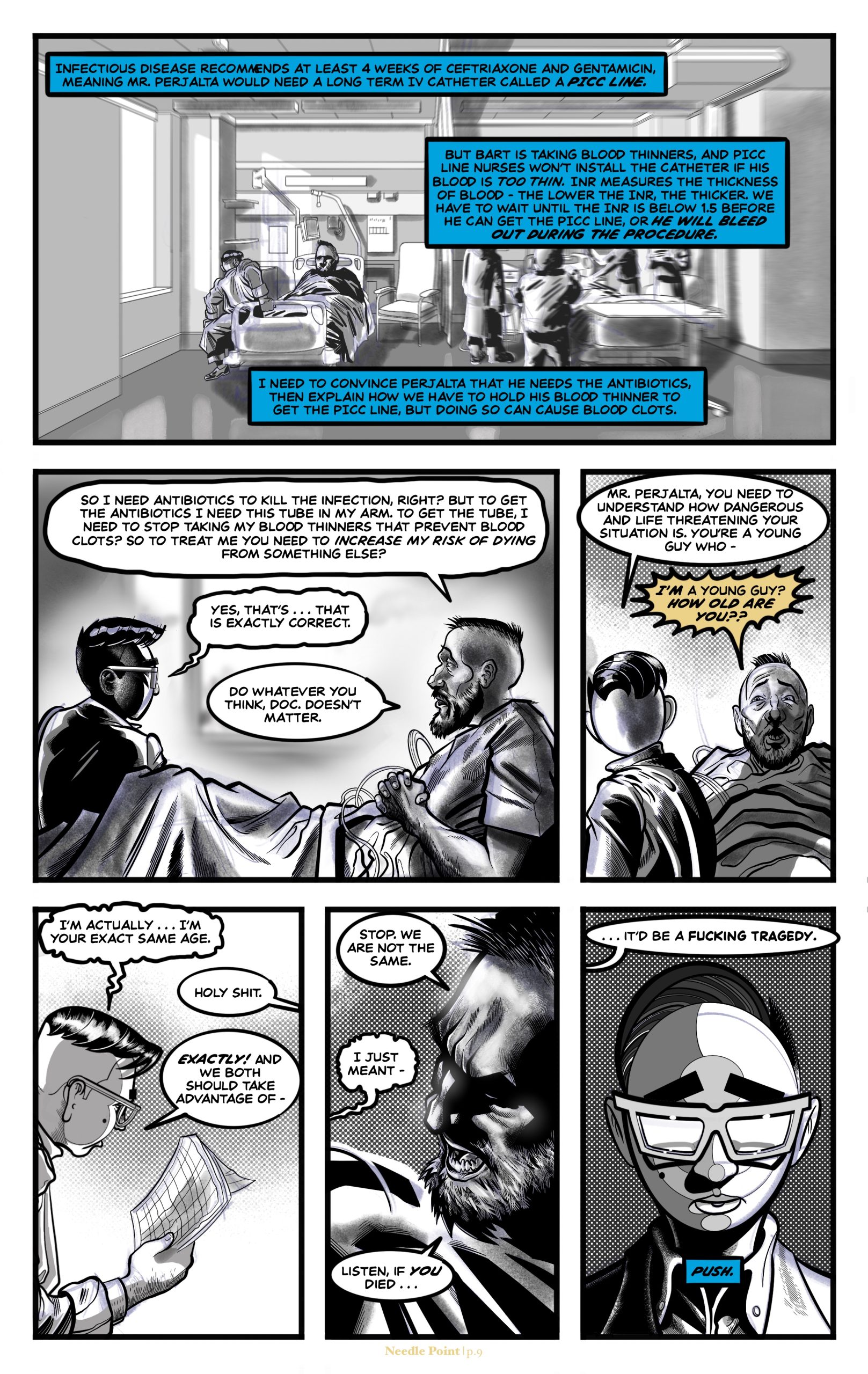
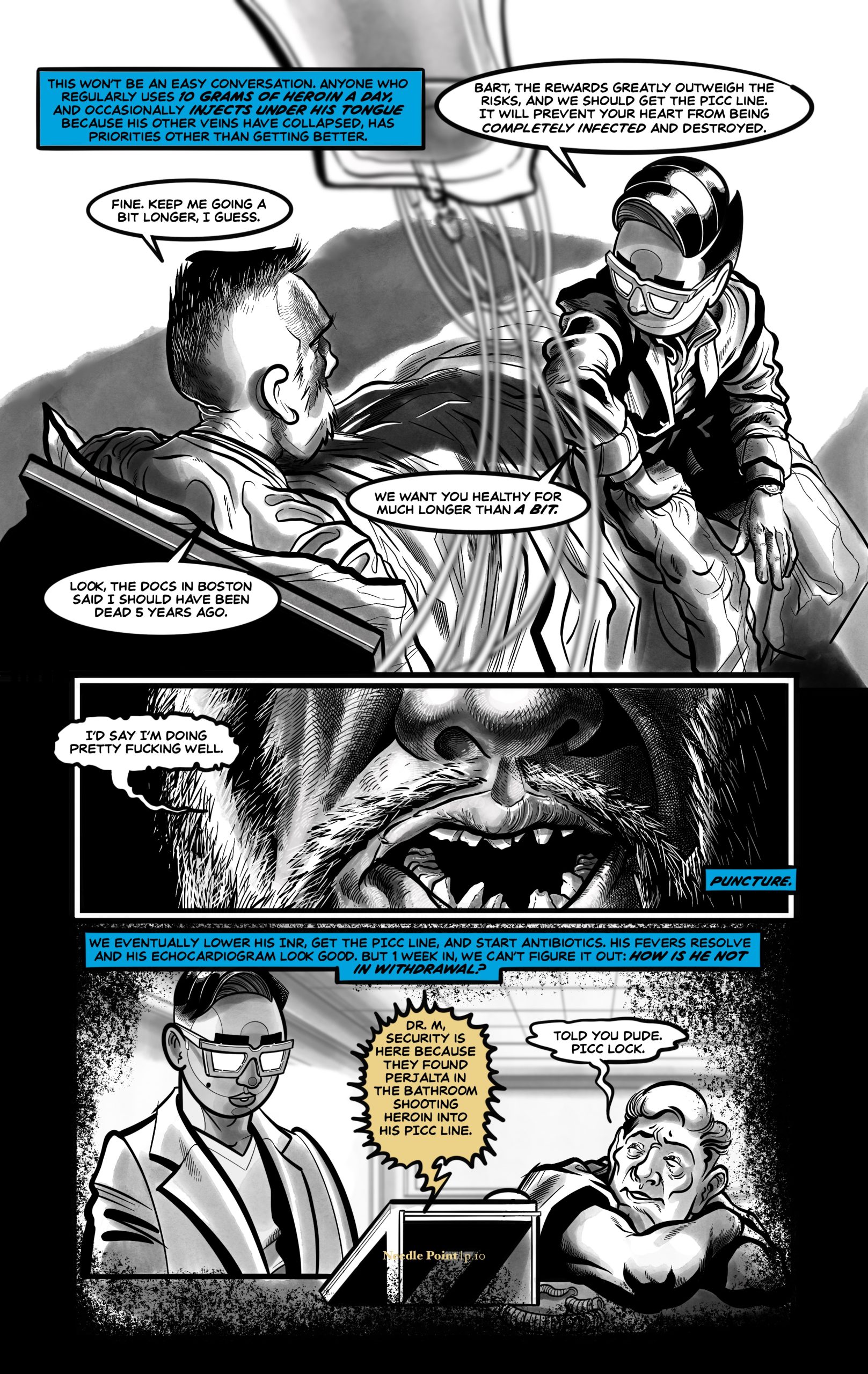
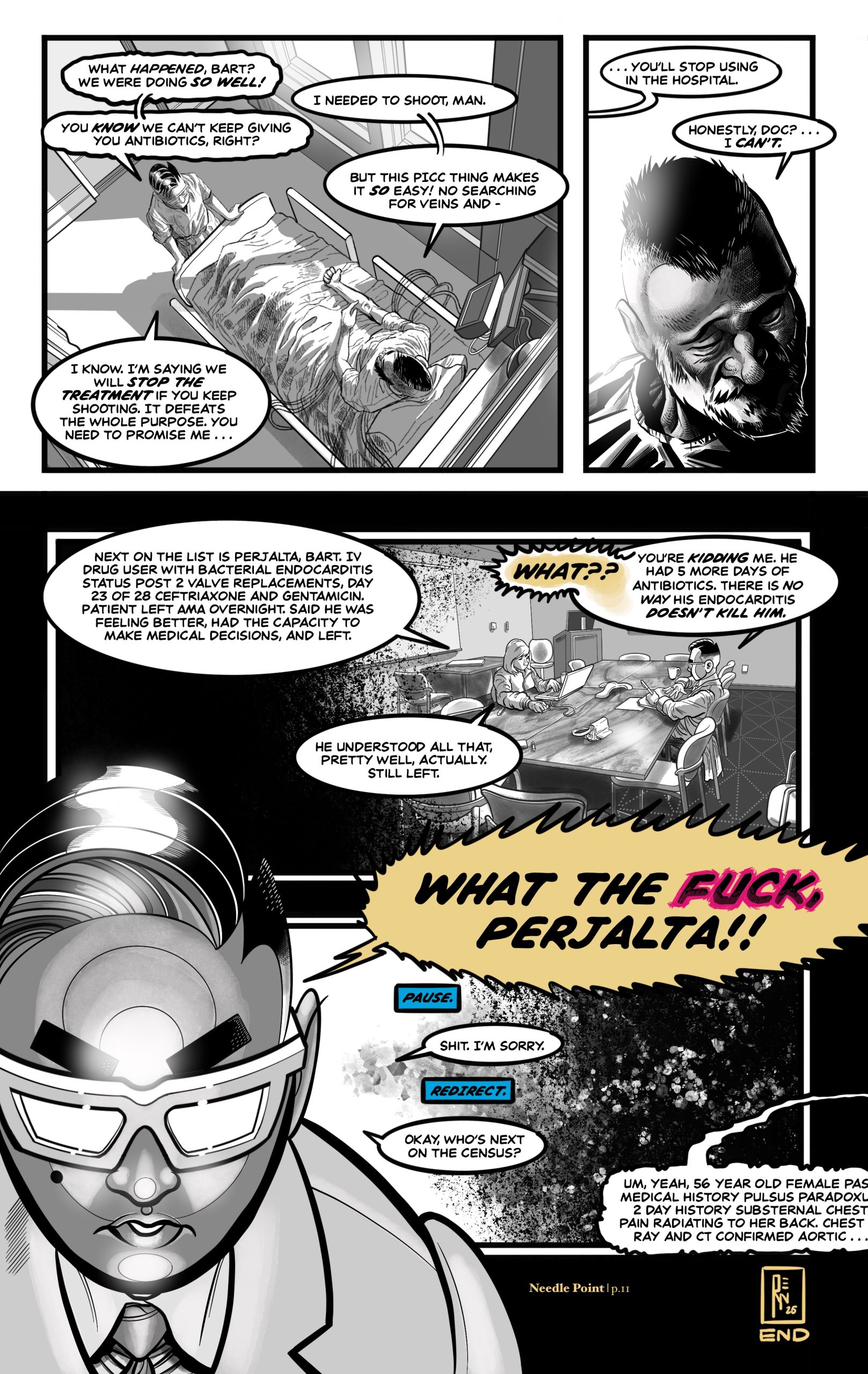
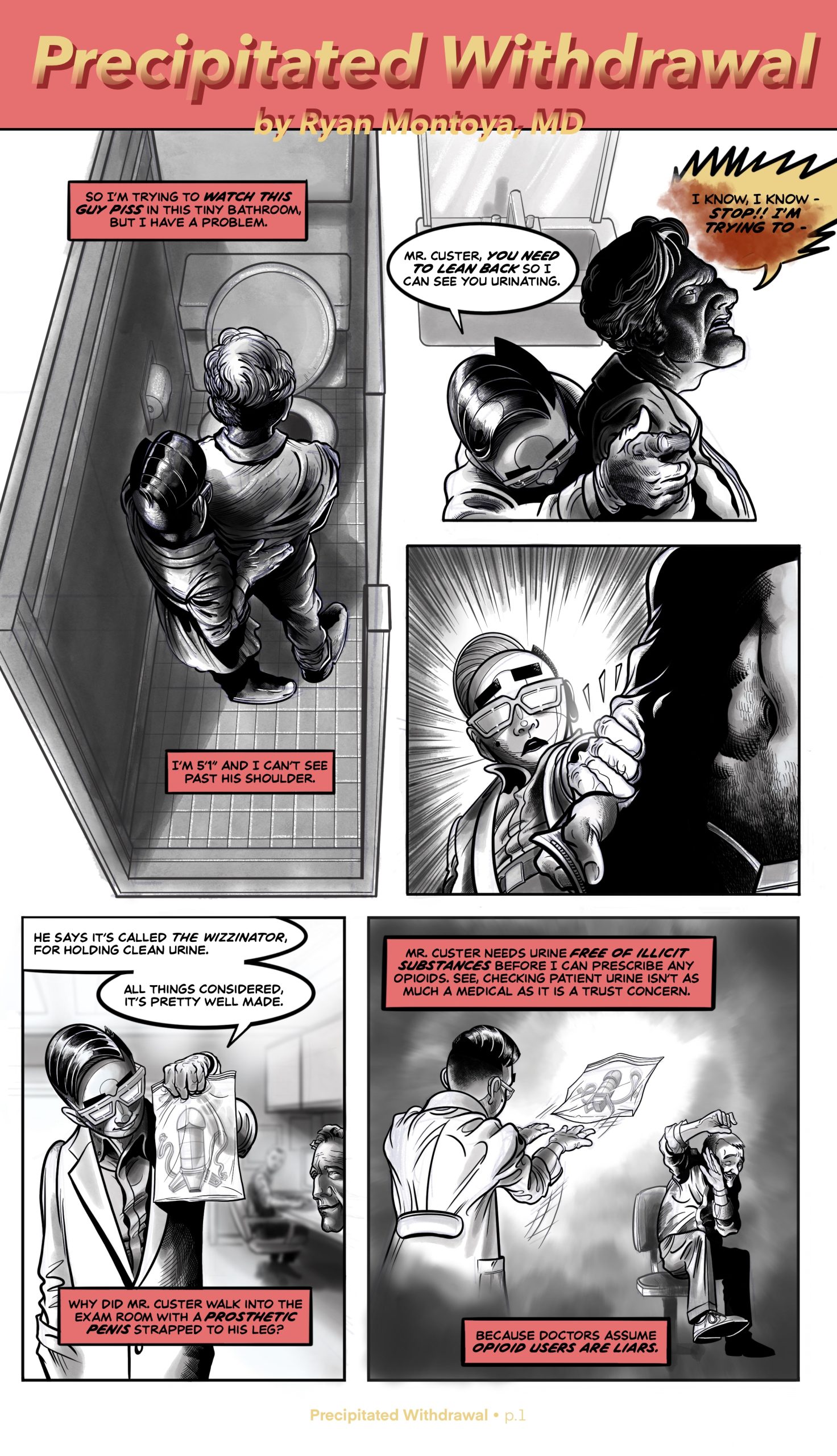
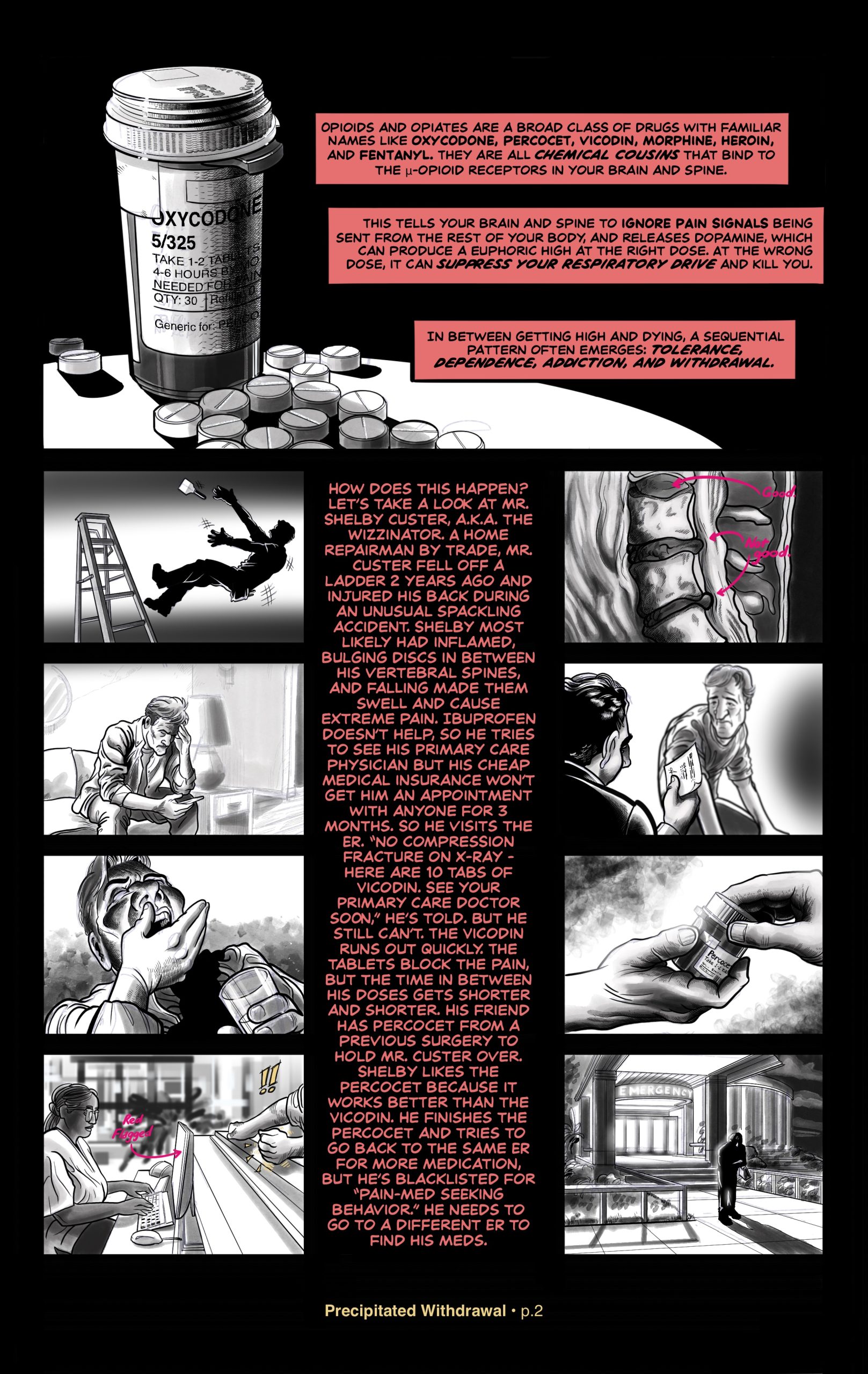
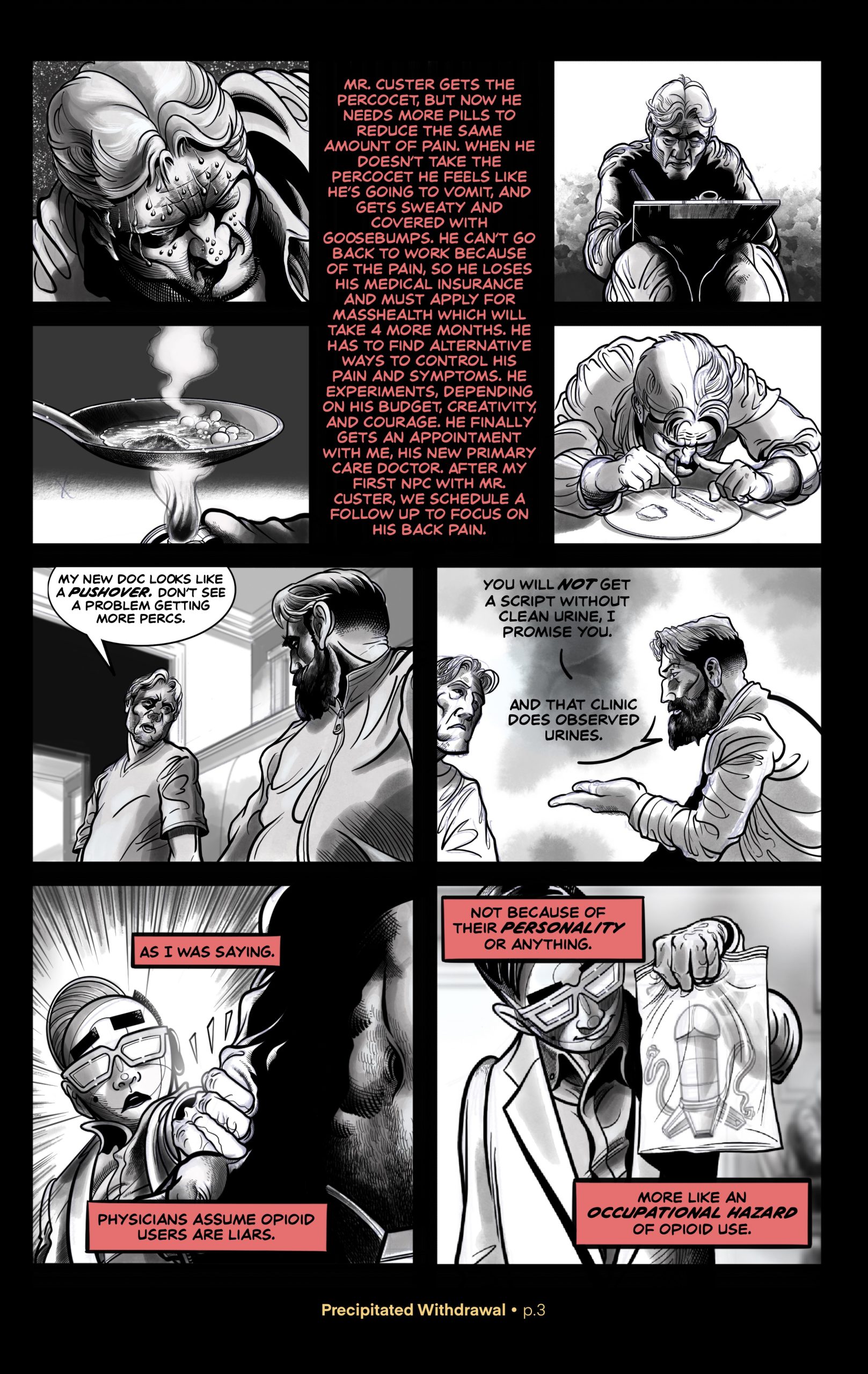
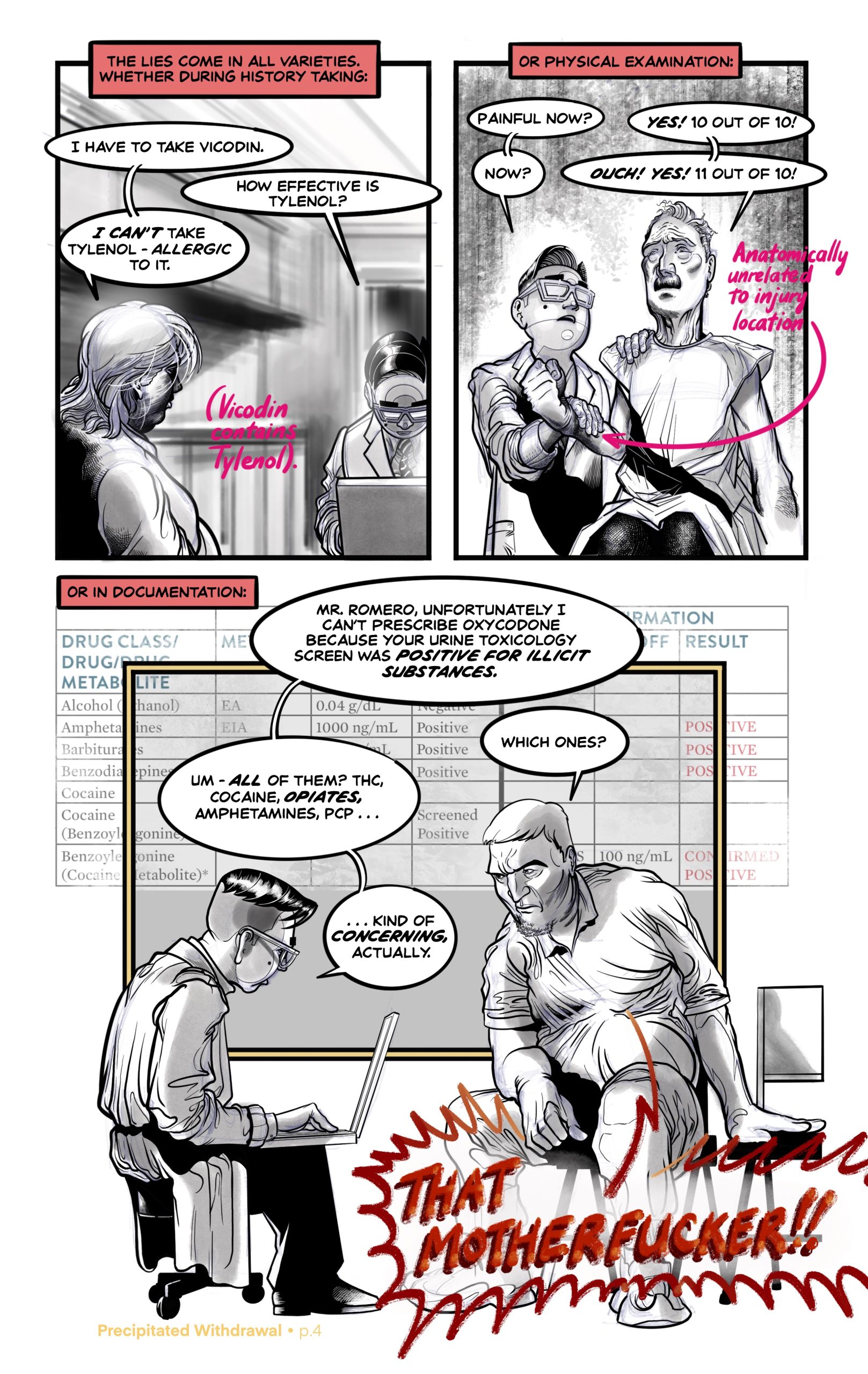
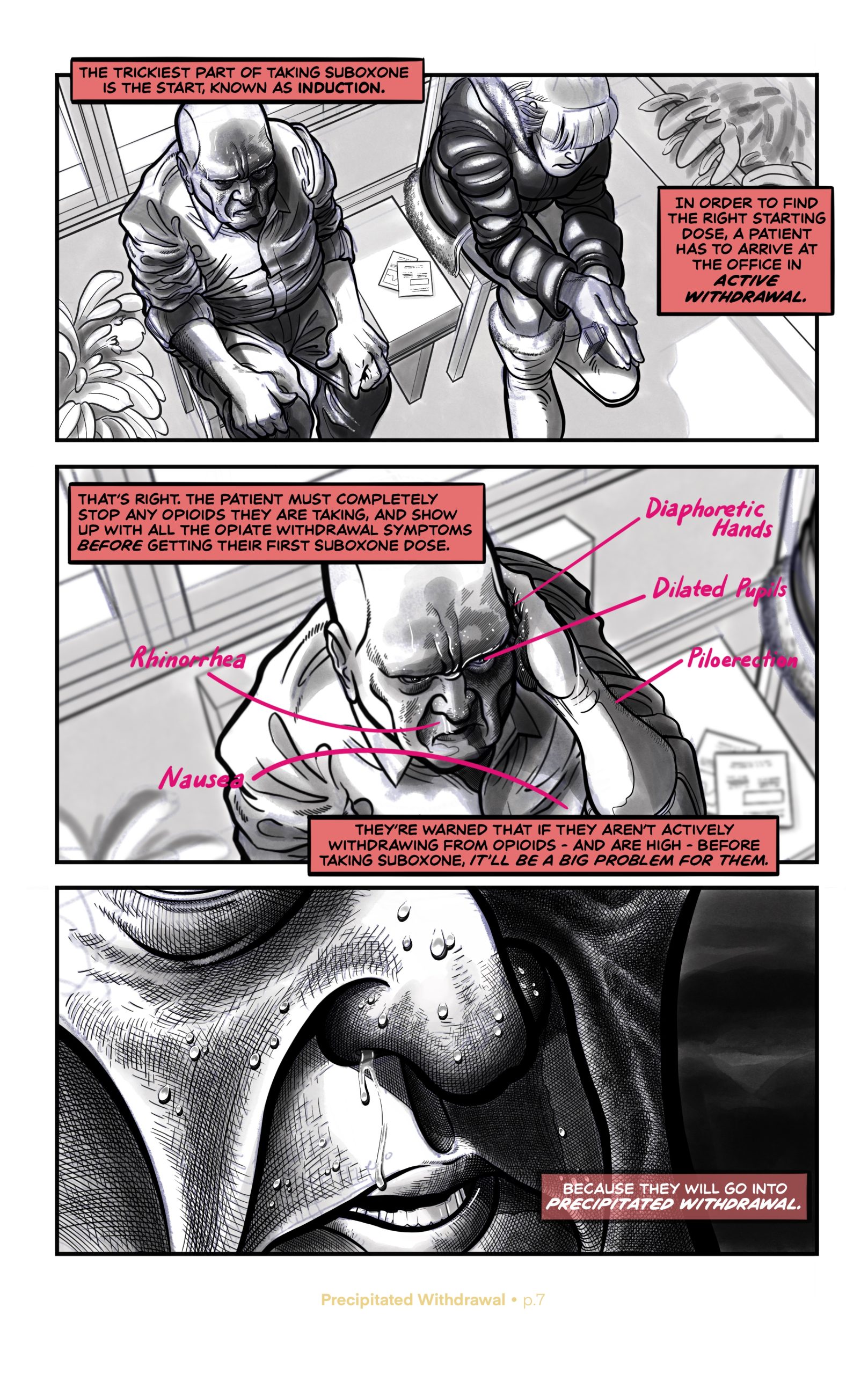
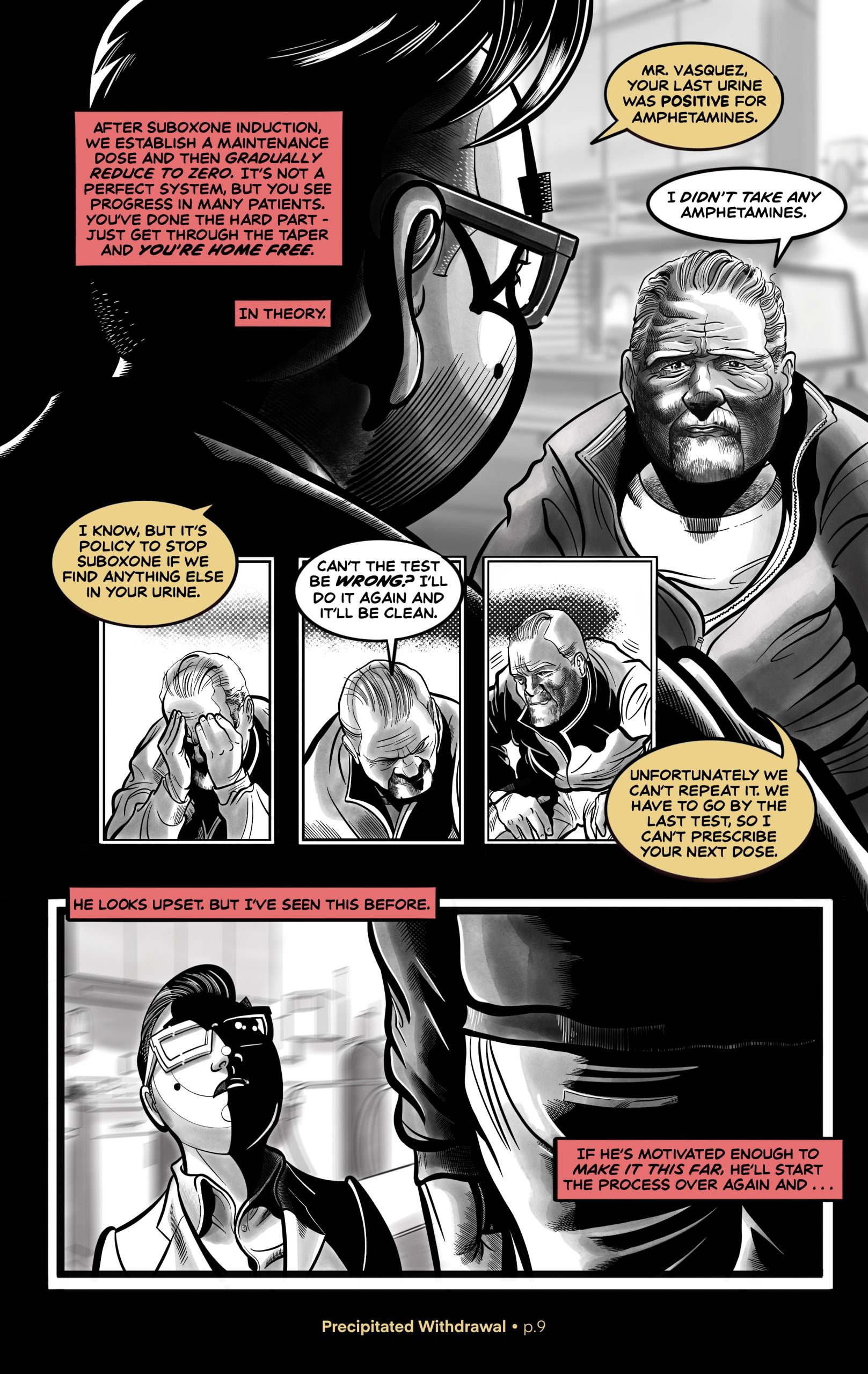
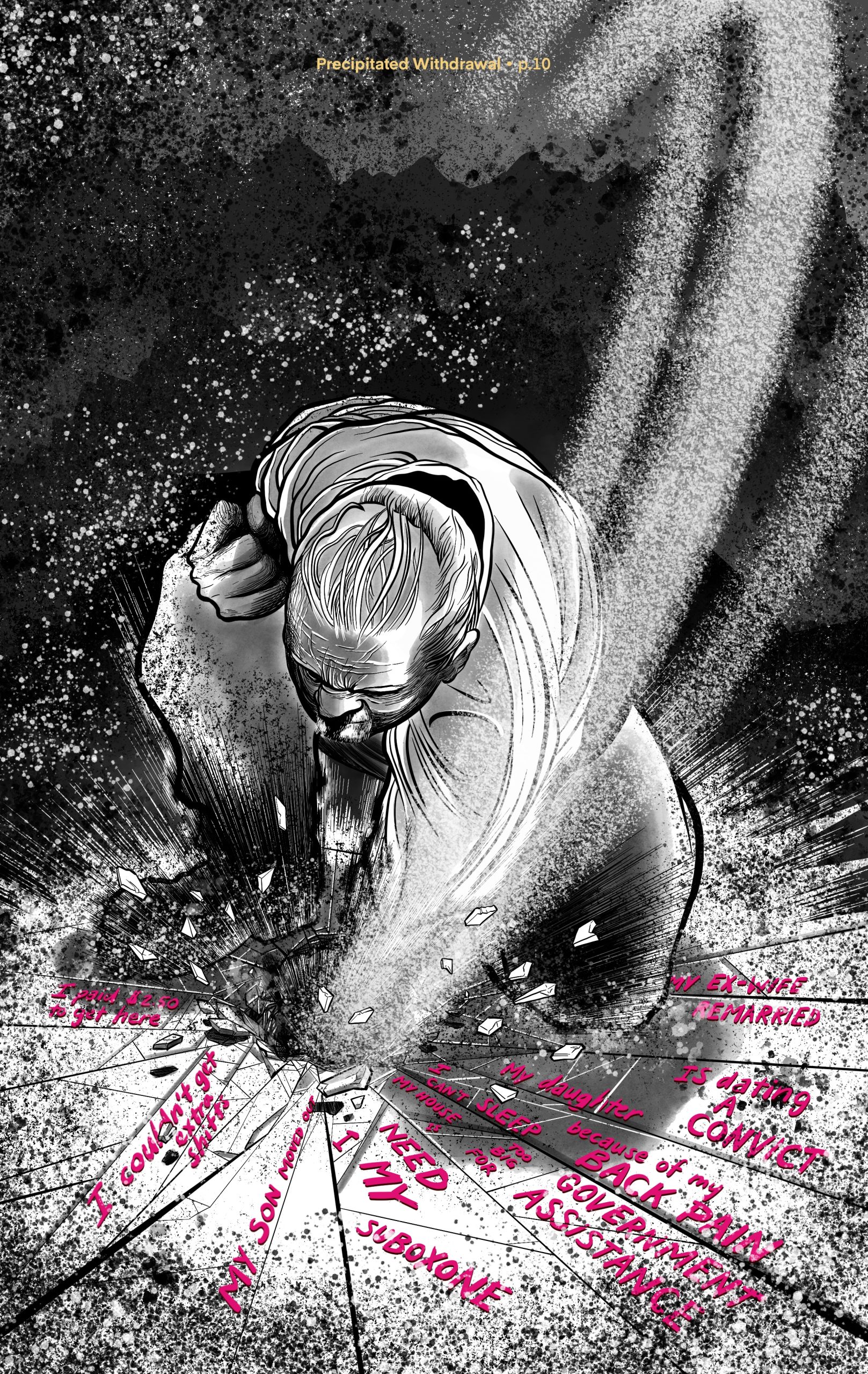
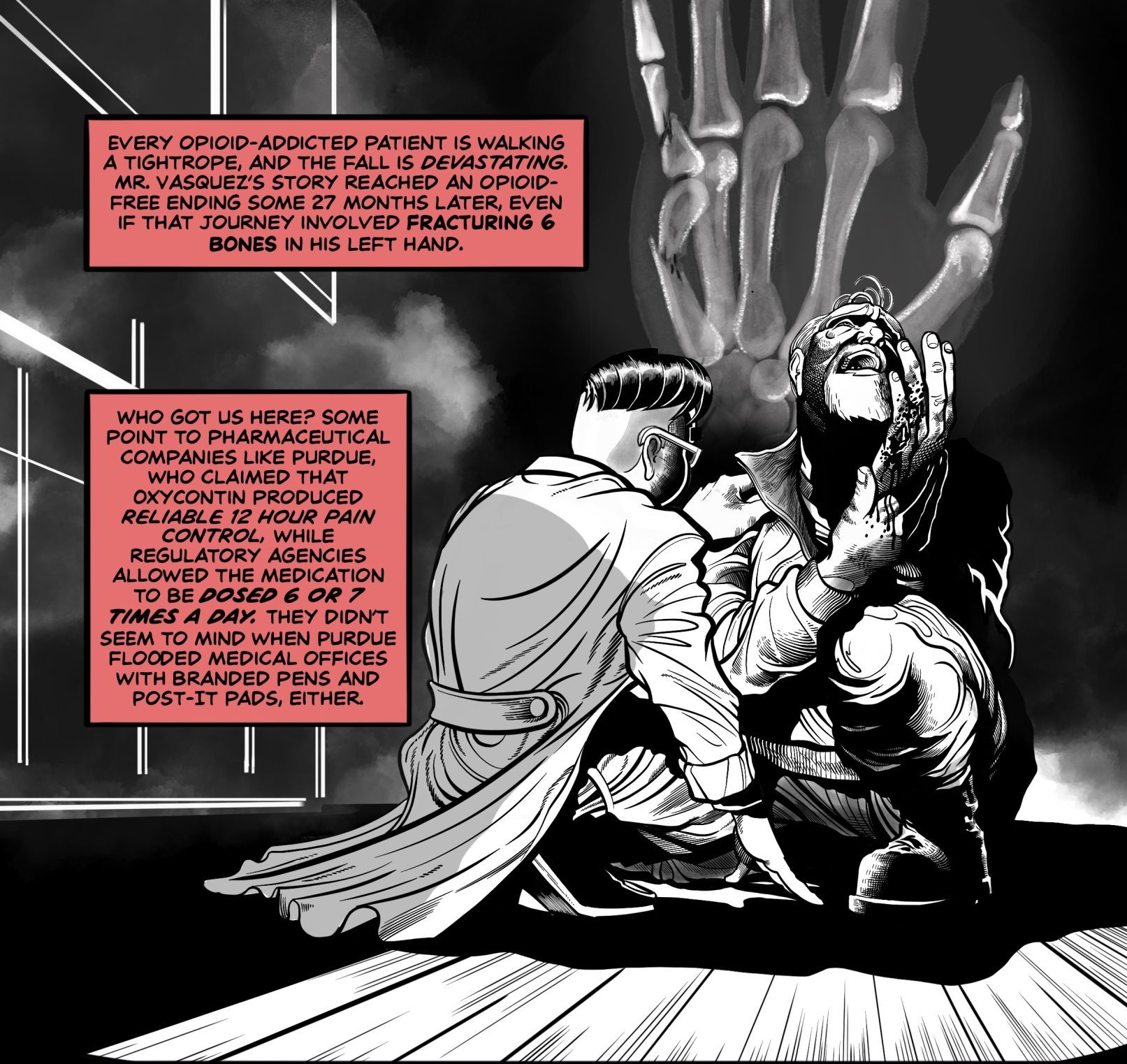
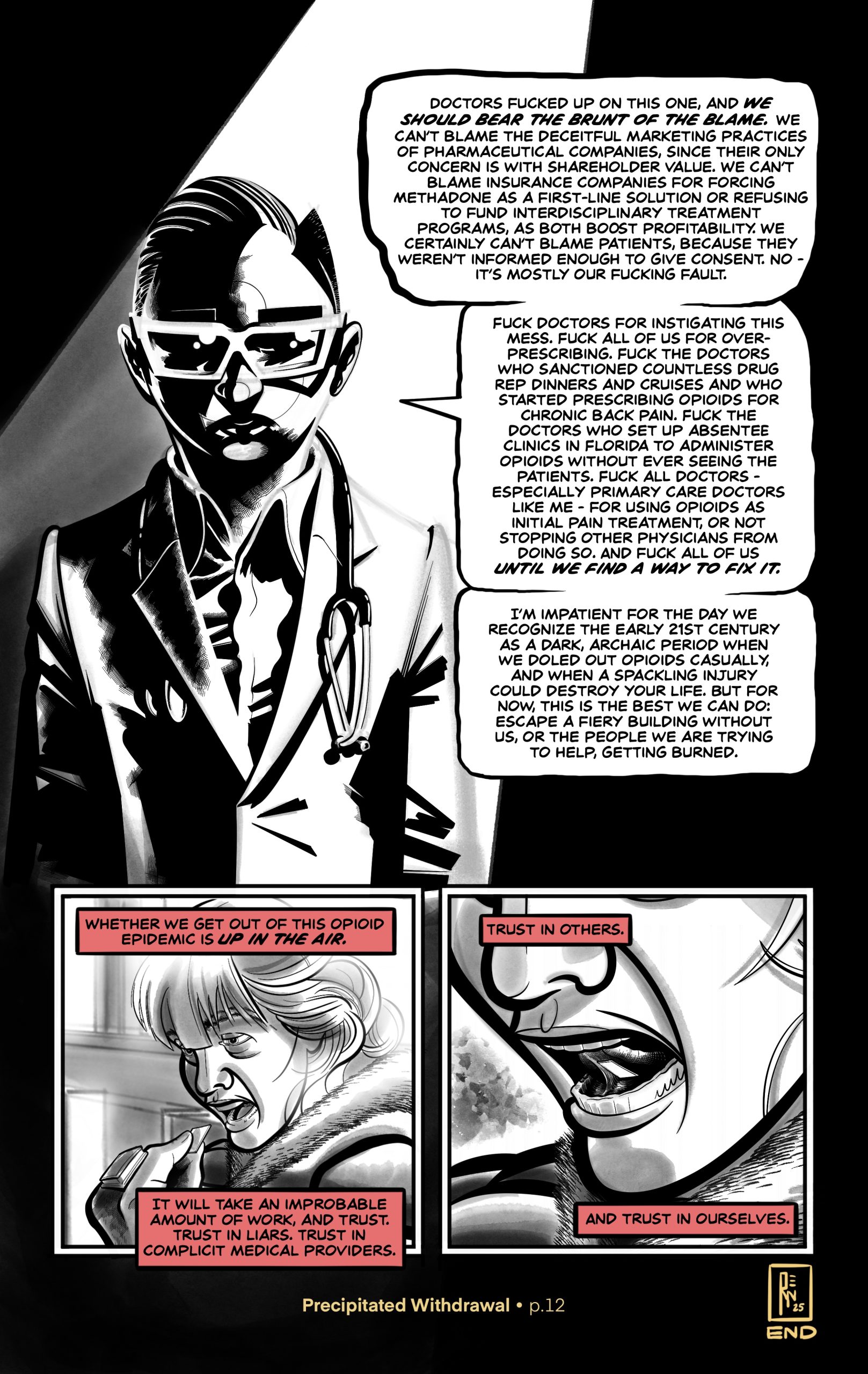
Read the latest column from Dr. Ryan Montoya, who discusses clinical practice and public health through his unique lens as a physician and an artist. Over 12 gripping panels, he shares the challenges faced by clients and providers alike during the opioid crisis.
We invite you to view Dr. Montoya’s past entries on BCPHR.org. A board-certified Family Medicine physician, Dr. Montoya graduated from Harvard University with a degree in Biology and completed graduate courses at the Massachusetts Institute of Technology and Johns Hopkins University before attending medical school and residency at the University of Massachusetts Medical School. He has provided full-spectrum family medicine care and opioid addiction medication assisted treatment (MAT) at a Federally Qualified Health Center while starting his own direct primary care practice in Massachusetts.
He has lived and provided community healthcare in the countries of Bosnia and Herzegovina and India, and acted as the Associate Medical Director of Planned Parenthood in Washington, DC. He currently works as a physician abroad.
In addition to his clinical acumen, Dr. Montoya is a professional comic book artist and writer whose works have appeared in the New England Journal of Medicine and Scientific American. He received art training from the Massachusetts College of Art, Art Institute of Boston, School of the Museum of Fine Arts Boston, and the Joe Kubert School of Comic Book Art. He has also worked as a luggage and trunk designer for the brand Goyard and a project manager for the CIFF Raven fashion fair in Copenhagen and the Devambez Panorama fashion collective in Paris.
Organizations and studies are invited to submit supplements with BCPHR. Supplements are special collections of manuscripts, including research articles, op-eds, policy papers, notes from the field, and other pieces, related to a research study, intervention, and/or program. Learn more and complete the interest form today!
BCPHR is pleased to announce the release of the anthology PRISM: Mental Health Through the Lens of Difference, edited by Krista L. R. Cezair.
This unique volume leverages unique approaches to examining mental health at the intersection of gender, sexual orientation, race and ethnicity, age, socioeconomic status, and migrant status. How do women, members of the LGBTQ+ communities and immigrant/refugee communities, Black and Brown groups, and economically and politically disenfranchised peoples experience mental health, or the lack thereof? In other words, mental health does not occur in a vacuum. The outcomes of mental health are intersectional by their very nature.
With an army of BCPHR public health aficionados and the stewardship of the Boston Congress of Public Health, PRISM explores some of these nuances, delving into the health disparities that exist for these marginalized groups. A greater burden of disease, injury, violence, and truncated opportunities to achieve the apotheosis of health incontrovertibly exists for racial, ethnic, sexual, and gender minorities. There is the proclamation: these often-negative differences in mental health outcomes are not innate or inevitable, coincidental or self-inflicted – but rather systemic, structural, and absolutely preventable. These differences emerge from the flames of ongoing racist, sexist, homophobic, transphobic, and xenophobic discrimination, the scourge of rampant prejudice, and the ever-present bias that intercalate themselves throughout the fabric of society.